How to Effectively Repair Vinyl Fencing for Longevity and Durability
-
 Ricky Whittaker
 -
Aug 26, 2025
-
4 min read
Vinyl fencing offers a blend of durability and low maintenance that many homeowners in Sanford, NC, and Fayetteville, NC appreciate. It not only enhances the aesthetic appeal of a property but also stands up to the elements. However, like any outdoor structure, vinyl fences can experience wear and tear. Whether it’s weather-related damage, accidental impacts, or simply the passage of time, knowing how to repair vinyl fencing can help you maintain its appearance and extend its lifespan. In this guide, I will walk you through the essential steps to repair your vinyl fence, ensuring it stays an attractive and functional part of your property.
Understanding Vinyl Fencing
To effectively repair vinyl fencing, it is helpful to know what it is made of. Vinyl fencing is often composed of polyvinyl chloride (PVC), a material that resists rot, rust, and pests. Unlike wood, which can require regular painting or staining, vinyl is a low-maintenance alternative. However, it is not invincible. For example, vinyl can become brittle and crack in extremely cold temperatures or warp under intense heat, particularly in regions where summer temperatures soar above 90°F. Understanding these characteristics can inform your repair strategy.
Assessing the Damage
The first step in repairing a vinyl fence is to assess any damage thoroughly. Here are some areas to check closely:
-
Posts: Leaning or broken posts can undermine the entire fence. These posts bear the weight and stability of the structure.
-
Panels: Look for cracks, holes, or discoloration in the panels. Such damage can weaken the fence and diminish its aesthetic appeal.
-
Gates: Check gates for functionality. A sagging or misaligned gate can signal issues with hinges or posts.
Take notes on the specific damages you find. For instance, if you discover that 30% of your fence panels are cracked, this will inform whether you need to replace them or can use adhesives.
Gathering the Necessary Tools and Materials
To effectively repair vinyl fencing, you will need several tools and materials. Key items include:
-
Replacement panels or sections, if needed
-
Vinyl fence adhesive or PVC cement
-
A utility knife or saw for cutting
-
A level to ensure proper alignment
-
A drill and screws if you need to replace posts
-
A measuring tape for accurate measurements
Having these items ready beforehand will streamline the repair process, making it less time-consuming and more efficient.
Repairing Cracked or Broken Panels
When you encounter cracked or broken panels, you have a straightforward repair option. Here’s a step-by-step guide:
-
Clean the Area: Remove any dirt or debris from the cracked area to ensure a strong bond.
-
Apply Adhesive: Using vinyl fence adhesive or PVC cement, fill the crack. Ensure that the adhesive is evenly spread.
-
Clamp if Necessary: For larger cracks, consider clamping the area until the adhesive sets, which usually takes about 30 minutes.
-
Smooth the Surface: Once the adhesive is dry, use a utility knife to trim any excess, ensuring a smooth finish.
In cases of larger breaks, replacing the panel might be necessary:
-
Remove the Damaged Panel: Unscrew or unclip the damaged panel from the fence.
-
Measure and Cut: Measure the new panel and cut it to size if necessary, following the exact dimensions to ensure a perfect fit.
-
Install the New Panel: Secure the new panel using screws or clips, taking care to align it correctly.
Fixing Leaning or Broken Posts
Leaning or broken posts can jeopardize the integrity of your vinyl fence. Here’s how to address these common issues:
-
Assess the Post: Determine whether the post is leaning due to soil erosion or if it is broken.
-
Remove the Damaged Post: Unscrew or dig out the broken post from the ground.
-
Prepare the New Post: Make sure the new post matches the height and style of the original.
-
Install the New Post: Place it in the hole, ensuring it is perfectly level. Fill the hole with concrete or gravel for stability.
-
-
Straightening a Leaning Post: For posts that can be straightened, dig around the base and add extra concrete or gravel for support.
Repairing Gates
Gates can misalign or sag due to various factors. Here’s how to fix common gate problems:
-
Check the Hinges: Inspect hinges for rust or damage. If needed, replace them with new, durable hinges.
-
Realign the Gate: If the gate sags, adjust the hinges or install a tension rod to bring it back into proper alignment.
-
Replace the Gate: If severely damaged, you may need to replace the entire gate. Follow the same steps for panel replacement.
Maintaining Your Vinyl Fence
After completing repairs, regularly maintaining your vinyl fence is essential for longevity. Here are some simple maintenance recommendations:
-
Regular Cleaning: Use a mild soap and water solution to clean your fence. This removes dirt and prevents discoloration.
-
Inspect for Damage: Regularly check your fence, especially after severe weather events, for any new signs of damage.
-
Trim Surrounding Vegetation: Keep plants trimmed away from the fence to avoid friction and potential damage.
By following these maintenance tips, you can prevent future issues. Studies show that proper upkeep can extend the lifespan of a vinyl fence by over 30%.
Final Thoughts
Repairing vinyl fencing can appear challenging, but with the right tools and knowledge, the process is manageable. By carefully assessing the damage, gathering the necessary materials, and following outlined steps, you can effectively repair your vinyl fence, enhancing its durability and longevity. Regular maintenance is vital for preventing further issues and ensuring your fence remains visually appealing and sturdy.
If you live in Sanford, NC, or Fayetteville, NC, and require assistance with vinyl fencing repairs, local professionals are available to provide expert support. Your vinyl fence is an important investment in your property, and with proper care, it will continue to serve you well for years to come.

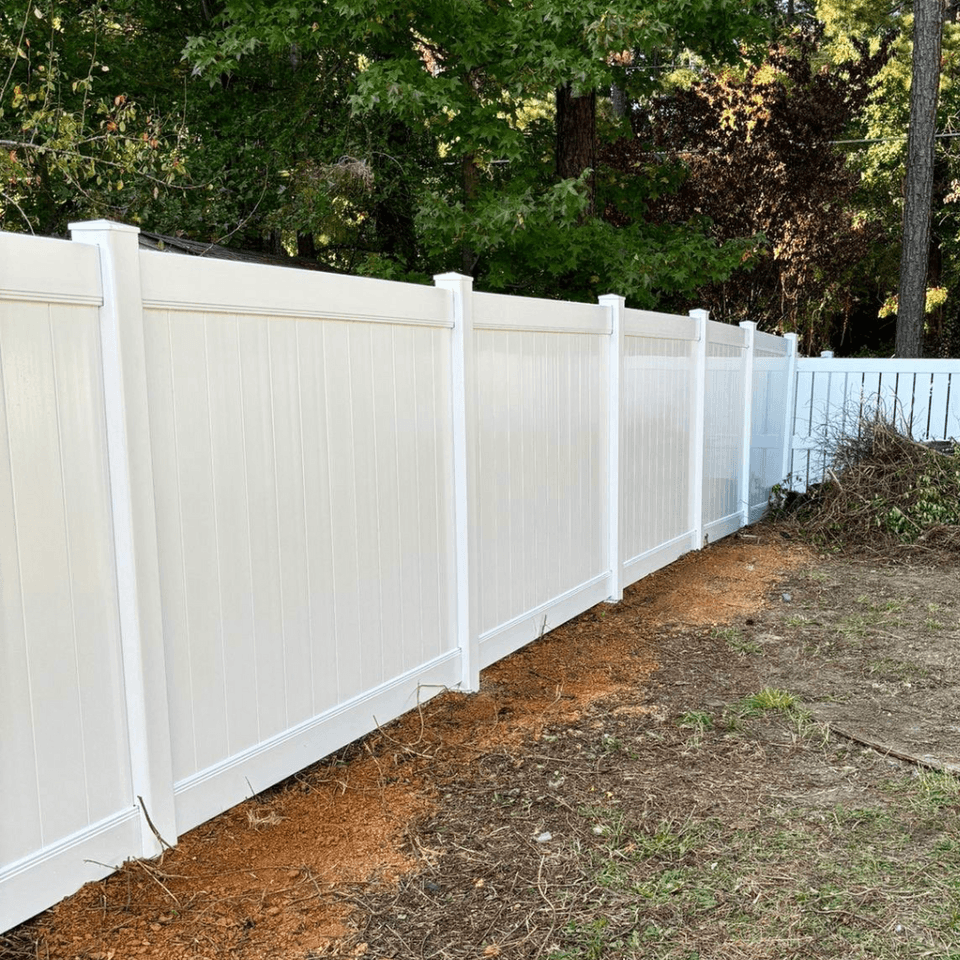
A close-up view of a repaired vinyl fence panel showing smooth surface and clean lines.

An eye-level view of a sturdy vinyl fence post standing straight and firm.
10
10 views
0
0 comments
Post not marked as liked
Recent Posts
[
5
0 comments0
Post not marked as liked
[
](https://www.rwfhomeimprovements.com/post/top-tips-for-vinyl-fencing-installations-in-fayetteville-nc)
5
0 comments0
Post not marked as liked
© 2025 by Kilvington Digital Marketing