Top Tips for Vinyl Fencing Installations in Fayetteville NC
-
 Ricky Whittaker
 -
Sep 8, 2025
-
4 min read
Enhancing your property with vinyl fencing can create a stunning transformation. As a Fayetteville, NC resident, I can personally attest to the privacy and beauty that a well-installed vinyl fence can bring to a yard. In this post, I am excited to share my top tips for vinyl fencing installations, equipping you with the knowledge needed to make your project shine.
Understanding Vinyl Fencing
Vinyl fencing is crafted from polyvinyl chloride (PVC), making it a durable choice that stands up well against wear and tear. Unlike traditional wood, vinyl resists rot, warping, and doesn’t require constant painting. This is crucial for Fayetteville's weather, which ranges from heavy rains to hot sun, providing lasting protection.
When it comes to style, the options are nearly limitless. For instance, a classic white picket fence can complement traditional homes, while a privacy fence’s solid structure can provide peace and quiet. According to industry reports, vinyl fences can last over 30 years with minimal upkeep, making them a great long-term investment.
Choosing the Right Style
Selecting the correct style of vinyl fencing is vital. Your choice should reflect the purpose of the fence and match your home’s aesthetics. Here are a few examples:
-
Privacy Fencing: If seclusion is your goal, consider panels that stand at least 6 feet tall. This height is effective for blocking views from neighbors. In fact, studies show that 58% of homeowners value their backyard privacy.
-
Decorative Fencing: For homes with gardens or pools, a ranch or picket-style option can add charm. Such designs maintain visibility while enhancing your landscape.
-
Pool Fencing: Compliance with local safety codes is important if you have a pool. Ensure your design features no gaps wider than 4 inches, as this meets most regulations.
Take time to explore different styles at local suppliers or home improvement stores. Visualize your yard with sample panels to make an informed decision.

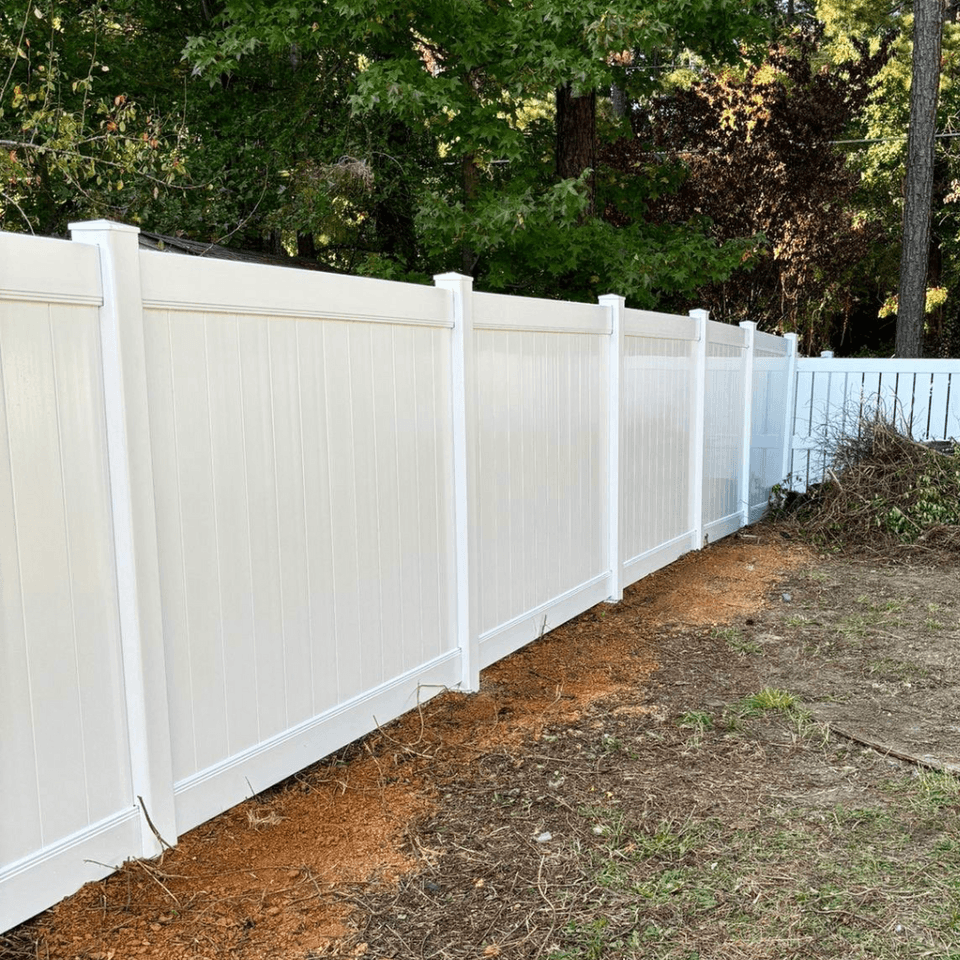
A beautiful vinyl privacy fence enhancing a backyard landscape
Planning Your Installation
With your style in mind, planning is next. Here are essential steps to consider:
-
Check Local Regulations: Before any digging, review Fayetteville’s zoning laws and HOA rules. Restrictions may apply to fence height, style, and where you can place the fence.
-
Measure Your Property: Accurate measurements are crucial. For example, if you plan to enclose a yard that’s 1/4 acre in size, calculating the total perimeter will guide how much material you need.
-
Mark Your Boundaries: By using stakes and string, you can visualize your fence’s layout. This clarity ensures you place it correctly, avoiding costly adjustments later.
-
Gather Materials: Purchase high-quality vinyl, ensuring that you buy about 10% extra for waste. Essential tools include a post hole digger, level, and concrete mix for added stability.
Preparing the Site
A well-prepared site is key to a successful installation. Here’s what to do:
-
Clear the Area: Remove all debris, plants, and obstacles from where you plan to install the fence. This step makes digging easier and faster.
-
Level the Ground: Address any uneven areas to ensure a straight, stable fence. Over 25% of fence issues stem from uneven installations.
-
Locate Underground Utilities: Always contact local utility companies before digging to mark any underground lines. This will protect you from accidents and costly repairs.
Installing the Fence
With preparation done, you can move to the installation phase. Follow these steps for success:
-
Set the Posts: Begin with digging holes deep enough—2 to 3 feet is standard for stability. Insert posts, checking alignment with a level. Fill holes with concrete and follow the manufacturer's guidance for curing time, generally 24 to 48 hours.
-
Attach the Panels: Once the posts have set, panels can be attached using brackets or clips. Make sure to level each panel carefully to avoid uneven gaps.
-
Add Gates: If your fence has a gate, install it after the panels. Ensure proper functionality by testing how it swings.
-
Final Checks: After installation, inspect for any loose panels and ensure everything is aligned. Making adjustments now can save you headaches later.

A close-up of a vinyl fence gate showcasing its latch mechanism
Maintenance Tips
Vinyl fencing has low maintenance needs, but a bit of care will keep it looking great:
-
Regular Cleaning: Use a hose or pressure washer to clear dirt. For stubborn stains, a soap-and-water mix works well. A 2008 survey revealed that 75% of homeowners use this cleaning method, finding it effective.
-
Inspect for Damage: Regularly check for cracks or damage, especially after storms. Prompt repairs will extend the life of your fence significantly.
-
Avoid Harsh Chemicals: Stick to mild cleaners when maintaining your fence. Harsh substances can damage the vinyl, which can shorten its lifespan.
Cost Considerations
Vinyl fencing typically involves a higher upfront cost compared to wood or chain-link options. However, to truly evaluate costs, consider these factors:
-
Material Costs: Vinyl prices can differ widely based on factors such as style and quality. For instance, premium vinyl can range from $25 to $50 per linear foot.
-
Installation Costs: If hiring a pro, gather quotes from multiple contractors to get a fair price. DIY efforts will entail costs for tools and materials, but can save you 30-50% of labor expenses.
-
Long-Term Savings: Factor in the long-term savings from vinyl fencing’s lack of need for painting or staining. This could result in savings of up to $1,000 over a decade compared to wood fences.
Professional Help vs. DIY
Choosing between a DIY approach or hiring a professional depends on your skill and comfort level:
-
DIY Installation: If you’re handy and enjoy projects, this can be a rewarding option. Just remember to meticulously follow instructions to ensure a successful installation.
-
Hiring a Professional: If you want efficiency and peace of mind, hiring a pro may be the best option. They bring skills, experience, and can often complete the job in half the time.
Securing Your Dream Fence
Vinyl fencing in Fayetteville, NC, can elevate your property's appeal while ensuring privacy and security. By adopting these practical tips, you can achieve a successful installation that will last for years.
Whether you decide to go the DIY route or hire an expert, preparation is vital. Your vinyl fence should bring beauty and functionality to your outdoor space for many years.
If you have questions or need further insights, don’t hesitate to reach out. Happy fencing!
5
5 views
0
0 comments
Post not marked as liked
Recent Posts
[
5
0 comments0
Post not marked as liked
[
10
0 comments0
Post not marked as liked
© 2025 by Kilvington Digital Marketing